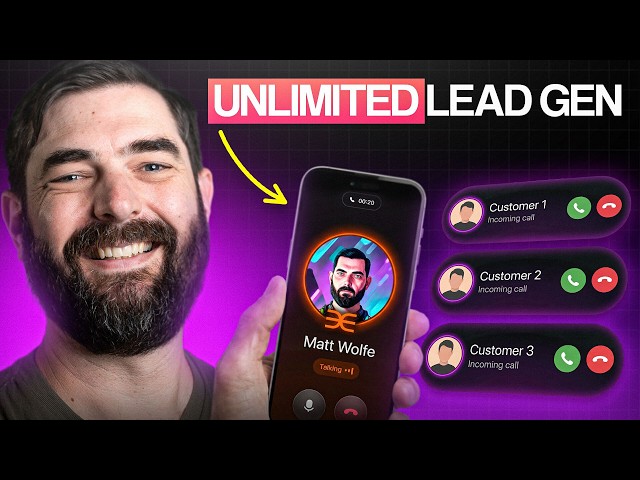







This episode shines a light on what AI cloning actually is and how it’s being used right now by businesses and creators. Scott and I go deep into real use cases, show the fast results clones can provide, and explain the nuts and bolts of platforms like Delphi, ChatGPT, HeyGen, and more. We highlight the differences between clone technologies, talk about privacy, and give you clear steps to start cloning yourself in a meaningful way. The goal is not to replace humans, but to make work easier and free up your time for high-value tasks.
Table of Contents
ToggleWhat Is an AI Clone?
An AI clone copies your knowledge, style, and personality into a digital version. This means it can answer questions, help customers, and speak just like you—without you having to be there. AI clones are built using platforms like Delphi, ChatGPT, and HeyGen.
AI cloning helps business owners handle repeat conversations and unique inquiries so they can focus on real, important tasks. Digital twins can handle public questions, customer support, internal team training, and more.
Key Points:
- Clones are digital versions of you based on your own material.
- Clones can carry on conversations and handle tasks in your style.
- The goal is to connect with more people and improve engagement, not to replace people.
Quote:
“It’s a completely new media that has not existed before where you can replicate yourself and the way you think and even decisions, all these things that take your mental power and it’s taxing.” (Joe Fier)
Ways Clones Are Used in Business and Life
Clones help in many areas, freeing up your time from answering the same questions and doing routine tasks. Scott and I shared examples from all kinds of businesses:
- Coaches use clones to answer client questions day and night.
- HR departments build clones to manage employee queries, like vacation policies.
- Religious leaders create clones to answer members’ questions, guide them to important resources, and keep everyone connected.
Clones boost engagement, lower churn, and increase the quality of leads. They help you automate parts of your business, but still keep things personal.
Key Points:
- Clones can be set up for sales, marketing, HR, and customer support.
- Religious institutions now use clones to support thousands of members efficiently.
- Creators and business owners use clones to stay connected even when they have large online audiences.
Example:
One pastor’s clone answers questions about scripture, local events, and personal messages, reducing the load on their inbox and helping more people.
Comparing Clone Technologies: ChatGPT, HeyGen, and Delphi
Three main technologies stand out in cloning, each built for different uses:
- ChatGPT: Makes basic clones by using custom GPT models. You can upload documents, but it’s limited in memory and can’t copy your voice or style very well. Anyone can clone you using your public material. ChatGPT clones can “hallucinate” or give wrong answers.
- HeyGen: Creates video avatars with your face and voice, but only runs on scripts. Good for video messages or pitches, but not good for true conversations or handling FAQs.
- Delphi: Builds unscripted clones with millions of words of your content. Delphi matches your speaking and writing style, connects answers to your material, and keeps data private. Clones made with Delphi can answer questions they’ve been trained on and notify you if something is missing.
Key Points:
- ChatGPT works, but is risky for privacy and isn’t very flexible.
- HeyGen is good for scripted videos, not for live, dynamic responses.
- Delphi is best for real, unscripted conversations in your own voice.
Quote:
“Joe is like the number one builder on the planet of clones. He’s used all the different technologies.” (Scott Duffy)
Data Privacy and Security
Protecting your intellectual property matters. Scott and I dug into how different platforms handle your data:
- Delphi keeps your material siloed and never uses it to train other models.
- ChatGPT loads data into their foundational model, which can be risky.
- You control and can delete any content from Delphi when you want.
People often worry about data privacy when starting with clones. We always help people understand what happens behind the scenes and how their material is protected.
Key Points:
- Delphi never shares your data outside of your clone.
- You can export or delete your material any time.
- ChatGPT’s system can make your data available to others (unless carefully managed).
Setting Up Your First Clone: Common Questions Answered
Getting started doesn’t require millions of words or published books. Most people have enough material in documents, social posts, or even by using Delphi’s interview mode.
- You can begin with a small amount of material, like 10,000 to 300,000 words.
- Interview mode helps train your clone by letting you talk through important topics.
- Delphi can pull from podcasts, video, audio, and it knows the difference between speakers.
Clones work with text, voice, and phone calls. Video cloning is still slow and not often used for unscripted clones. Delphi handles multiple languages and can switch mid-conversation.
Key Points:
- You don’t need to be a published author to get started.
- Delphi makes training your clone easy with flexible inputs.
- Clones speak and write in 50+ languages, adapting to your style.
Useful Stat:
Clones often need at least 2 to 300,000 words to work well, but more material improves the depth.
Real-Life Examples and Use Cases
Clones get results for people in all industries:
- HR managers answer team questions and provide needed files or links instantly.
- Coaches scale themselves by having clones answer questions and provide book links, mastermind signups, or personalized advice.
- Creators manage huge communities by having clones reply to DMs in any language.
- Public-facing clones pre-qualify leads before booking calls.
- Clones help writers create book drafts, blog posts, newsletters, and even prep for podcasts by pulling from their own past content.
Key Points:
- Clones free you from routine emails, DMs, and support tasks.
- Word-of-mouth grows as people get answers faster and become happier clients.
- One client wrote multiple books with their clone in a weekend, thanks to Delphi’s deep training.
Quote:
“Now you have a digital twin that can speak and write for you. It’s up to us to figure out where to use it best.” (Joe Fier)
Getting Started: The Clone Shop Process
The Clone Shop offers a clear process:
- Free audit to find your bottlenecks, map out use cases, and see opportunities.
- Four main uses: public clone (website), private client/customer clone, internal team clone, and fully private clone.
- Strategy session is set up to pick the starting point and get your materials in place.
- First clone goes live in 7 days, even with minimal content.
- Beta group helps test and refine the conversations.
- The process includes detailed onboarding, video guides, and customer success support.
- Integration is easy; clones can sit on your website, in CRMs, on landing pages, or in private systems.
- Delphi handles actions (automation) like welcome messages, nudges, recaps, and more.
Key Points:
- The Clone Shop process gets you launched fast and hassle-free.
- Most clones are live and tested within one week.
- Ongoing support ensures your clone keeps improving and growing with your business.
Quote:
“It does not have to take a ton of time, resources, or effort. Our goal: get you live in 7 days.” (Joe Fier)
Resources from Episode
- Clone Shop AI: https://thecloneshop.ai
- Delphi: https://hustleandflowchart.com/delphi
Connect with Scott Duffy
- LinkedIn: https://www.linkedin.com/in/scottduffymedia/
- Website: https://scottduffy.com
Conclusion
AI cloning makes scaling and connecting easier for business owners, coaches, and creators. Clones turn your knowledge and style into a digital helper that works for you 24/7. Technologies like Delphi let you build clones that respond with your voice, keep data private, and create real conversations. Our approach at The Clone Shop starts with a free audit, focuses on real bottlenecks, and gets you launched and seeing value faster than you’d expect.
The biggest takeaway: you don’t need to overthink it or build a huge library of content to start. A clone lets you get back your time, boost your reach, and keep your brand strong. The world is waking up to the simple power of AI cloning, and now is the perfect time to get on board.
If you have questions or want to talk about cloning, reach out to me or Scott on LinkedIn, or at The Clone Shop. You’ll find resources, demo clones, and answers to your top questions. Let’s make work easier, together.
Top Highlights:
- AI clones work for public, private, and team support uses.
- Launch your own clone in just seven days.
- Delphi keeps your data safe and supports many languages.
- Clones boost engagement, free up your time, and help scale your impact.
- Real examples from HR, coaching, religious leaders, and content creators show how clones work in action.
Curious about cloning yourself? Check out The Clone Shop and start scaling smarter today.
Two Other Episodes You Should Check Out
- The AI Gold Rush: Most Entrepreneurs Are Failing—Here’s What Only 0.8% Understand!
- She Built a $5,000 AI Tool While Drinking Wine – Krista Mashore
Connect with Joe Fier
- What if you could have a FREE personal mentor on-demand?! With Joe's Hustle & Flowchart AI clone, you can tap into the knowledge from over 600 episodes any time! Whether you need advice on scaling, marketing, or productivity, my AI clone is here to help.
- Want us to build your clone for you? We’ll handle setup, testing, and integration so you can launch fast. Head to HustleandFlowchart.com/interest to get started!
- We want to hear from you. Send us the One Thing you want to hear on the show.
- Connect with Joe on LinkedIn and Instagram
- Subscribe to the YouTube Channel
- Contact Joe: joe@hustleandflowchart.com
Thanks for tuning into this episode of the Hustle & Flowchart Podcast!
If the information in these conversations and interviews have helped you in your business journey, please head over to iTunes (or wherever you listen), subscribe to the show, and leave me an honest review.
Your reviews and feedback will not only help me continue to deliver great, helpful content, but it will also help me reach even more amazing entrepreneurs just like you!